by Ulrika Myhr | Feb 4, 2026 | Conference, Functional variation, Learn to walk
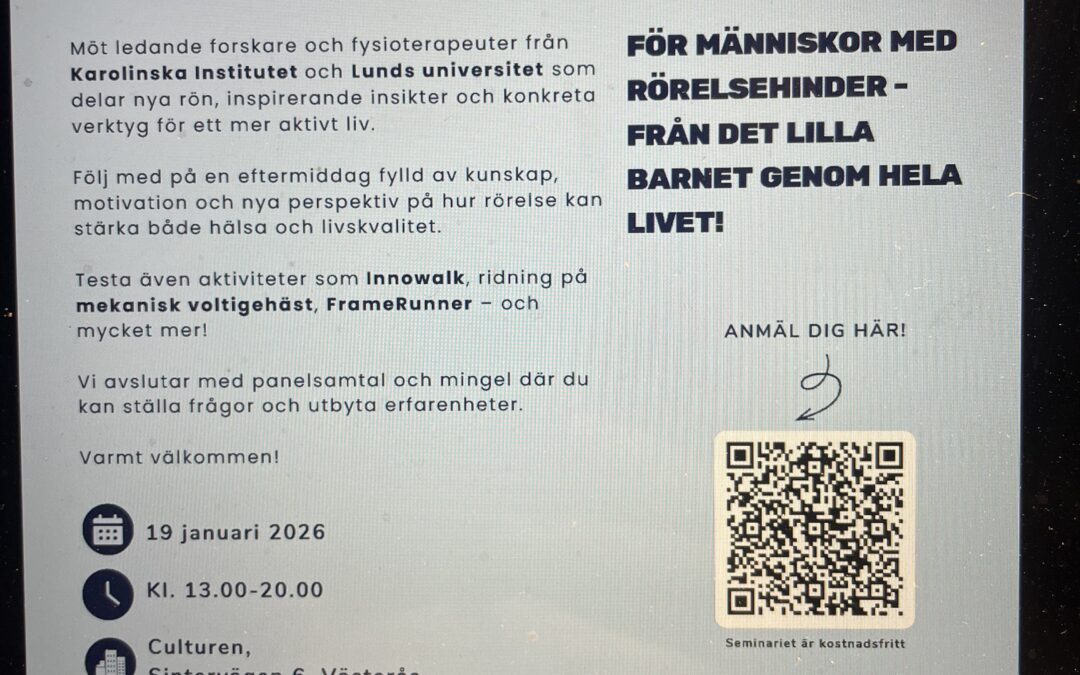
The RBU association in Västerås is a great example of what can be achieved, and it was both inspiring and joyful to take part in this event focusing on “A Life in Motion” for people with disabilities. Learn to Walk was presented, and several users and their families had the opportunity to try it out and experience how it helps teach and develop balance.
The lectures on physical activity took an innovative and forward-thinking approach, bringing together the perspectives of researchers, innovators, people with disabilities, and parents. Learn to Move’s lecture focused on new ways of thinking and treatment approaches that offer hope for improved function. The exhibition showcased a range of products as well as fun and engaging activities offered by parasport organisations — and we need many more opportunities like these!
For those who are interested, a recorded part of the lecture will be available to watch at a later date.
A big cheer for RBU for organising such an inspiring and much-needed day!
We need more development initiatives and open discussions about what we are doing today — and how we can improve.
by Ulrika Myhr | Jun 26, 2025 | DCD, Research
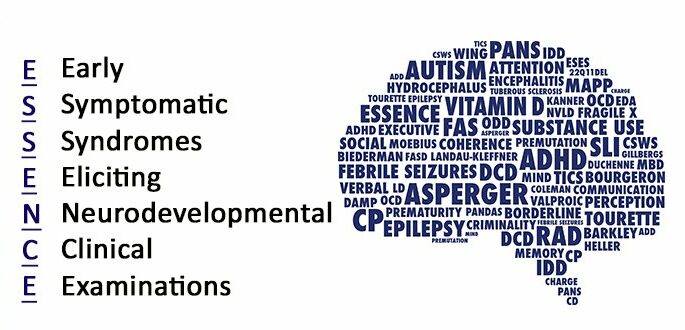
Developmental Coordination Disorder (DCD) affects approximately 6% of children. We know that it can affect many areas of a child’s life — especially if the child does not receive appropriate support and develop self-awareness. DCD affects participation in play and activities, everyday functioning and learning, as well as the child’s self-esteem. But what happens when you are an adult? There is a lack of both follow-up and knowledge in this area. What we do know is rather discouraging, as DCD can affect many aspects of a person’s life and the choices they make. Christopher Gillberg and Elisabeth Fernell, paediatric neurologists, together with Ulrika Myhr from Learn to Move, have initiated a collaboration to follow up approximately 300 children diagnosed with DCD and examine their outcomes into adulthood. The project is still in its early stages, and more people will be involved as it develops.
We hope that this project will increase our knowledge of DCD and improve care and interventions, helping to achieve better long-term outcomes. Stay tuned for updates!
by Ulrika Myhr | Feb 14, 2025 | DCD, Education
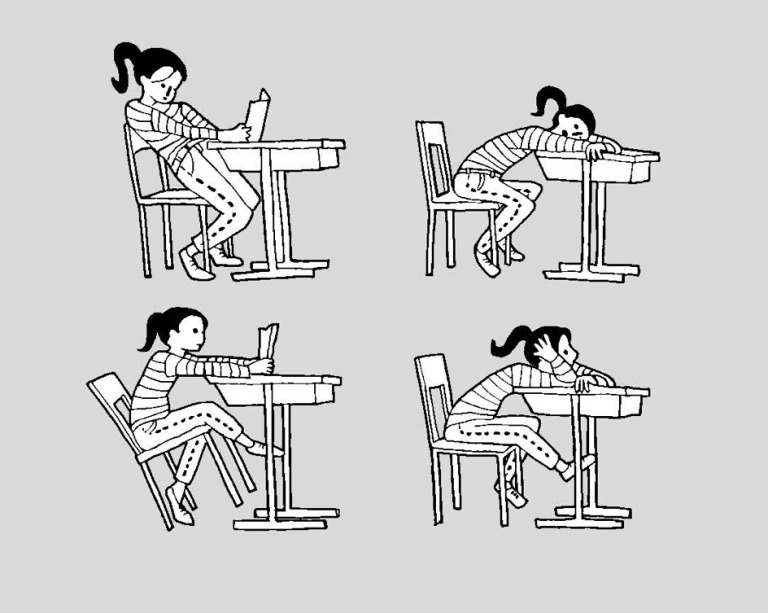
On March 10-11, a course about Developmental Coordination Disorder (DCD) was held, bringing together participants from across the country. The course combined both theoretical and practical learning, focusing on how we can support children’s development, help them be understood, and foster a sense of physical self-esteem
There were many insightful questions and discussions about motor skills and seeing the whole child. It is well known that DCD is linked to mental health challenges, particularly reduced physical self-esteem. However, today we are also seeing a growing number of children who “develop” DCD and attention disorders early in life—they exhibit passivity from infancy through preschool years. Those with long experience in healthcare and education are witnessing these changes; the classroom looks different today!
This calls for a major shift—a structured approach to assessment, intervention, and long-term follow-up. Innovative solutions are needed, and physiotherapists, occupational therapists in school healthcare, and PE teachers as special educators can play a crucial role in addressing these emerging needs.

by Ulrika Myhr | Dec 12, 2024 | Learn to walk, Press
Assistive devices are an area where we need significantly more innovation and development—it’s time to combine technology and physiotherapy to support children with neurological challenges. The work on Learn to Walk has been incredibly rewarding, though at times frustrating—but the joy is immense when children learn to walk.
There is a great need for more innovation—new ideas, redefined problem-solving, and more engaging products. If you’d like to read more about the innovation process behind Learn to Walk, click on the link and scroll down to pages 24–25. https://fysioterapi.se/wp-content/uploads/Webbtidning_Fysioterapi_2406.pdf
by Ulrika Myhr | Oct 14, 2024 | Exhibition
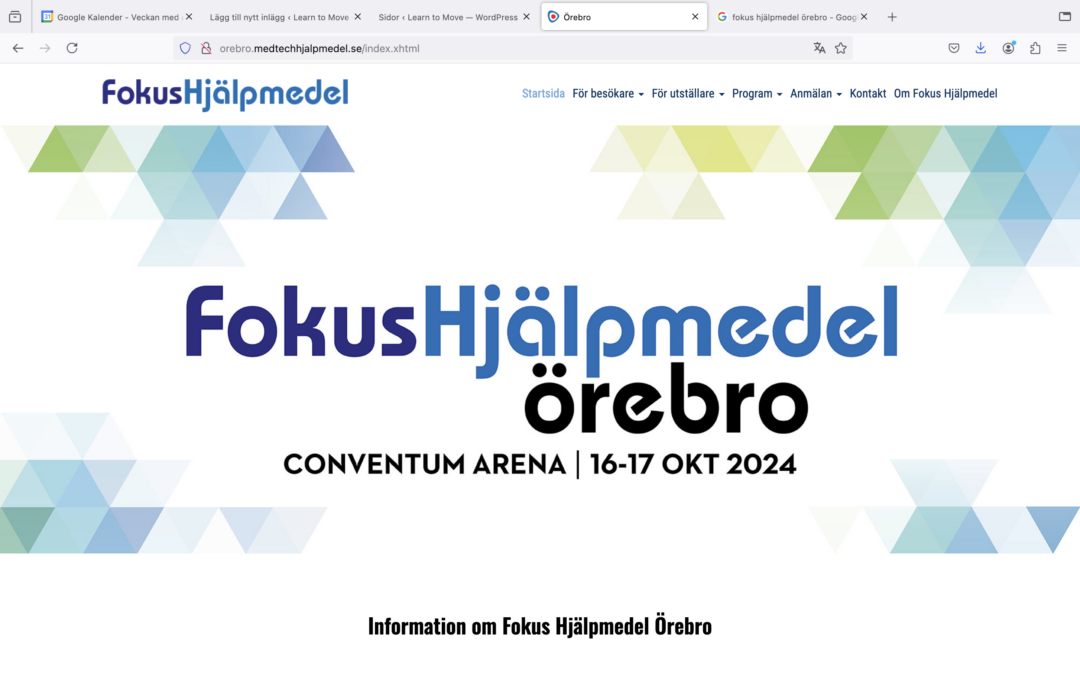
Fokus Hjälpmedel will be held at Convendum Arena in Örebro on Wednesday and teaches balance. Recently a new child , age 8, learn to walk with the help of Learn to Walk – fantastiskt roligt! We look forward to meeting, families, assitive technology consultants, habilitation professionals and everyone interested in improving treatment and creating better opportunities for children with neuromuscular disabilities:-)
