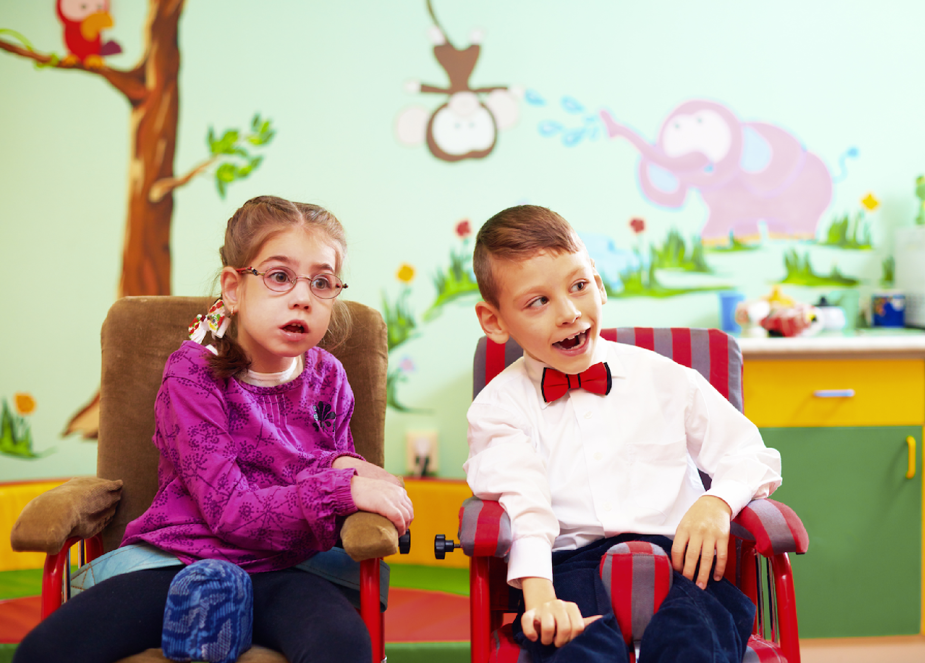
What is the problem, and what should we do about it? Well, that depends on how we understand and define a symptom. Today, we often talk about “spasticity” as if it is something in itself — almost like a muscle or a part of the skeleton. But there is no “spasticity organ.” Instead, we need to talk about a spastic movement pattern — a way of moving that occurs when a person lacks motor control. Why should we talk about a spastic movement pattern? Because it changes the way we think about intervention — and can lead us towards very different, and better, approaches. A spastic MOVEMENT PATTERN in the legs resembles the stepping pattern of a newborn baby when you hold the baby upright: the legs cross, the baby stands on the toes, and there is a lack of hip extension and weight-bearing through the whole foot. Just like the newborn baby, children with a spastic movement pattern need to change, develop and improve the way they move. This shifts our focus towards improvement and towards striving for normal motor ability. The child needs to learn what is missing: how to bear weight, extend the hips, externally rotate the legs, and much more. Many current interventions do not address the actual problem — the movement pattern itself. Botox weakens the child — it affects muscle strength. We do not want to weaken children; we want to make them stronger. Rigid ankle-foot orthoses reduce loading and restrict joint movement. We want to increase loading and increase joint mobility. Passively moving the legs of a child who is lying down and assessing “spasticity” tells us little about the child’s movement pattern in standing. It assesses resistance to passive movement without the influence of gravity — not what the movement pattern looks like when the child is actively moving under the influence of gravity. If many of the interventions commonly used today were applied to typically developing children, they would impair their motor function. We create a sense of “threat” that things may become “even worse” unless we lock the foot or weaken the muscle. But what happens if, instead, we think about the movement pattern? What if we aim, in every possible way, for improvement, learning and successful performance of movement — and through this, work towards normalizing the movement pattern? If I learn the movements that I initially cannot perform, the spastic movement pattern decreases — and may even disappear. There may still be resistance when my leg is moved passively. But what does that matter if I can walk normally?
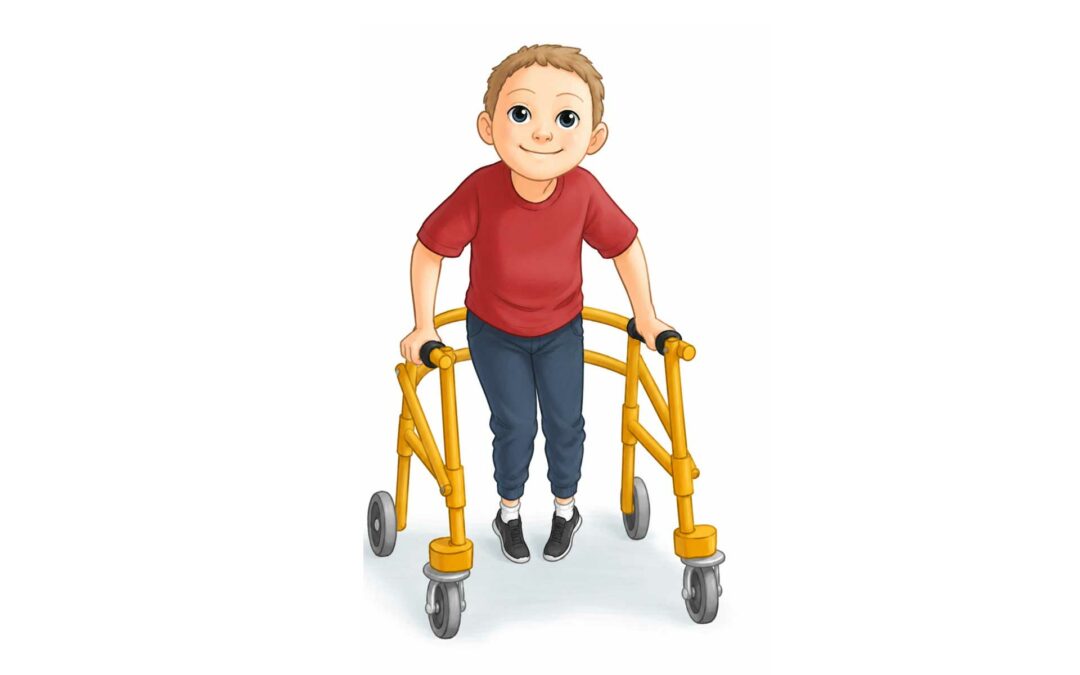
What I have learned from clinical practice is that walking aids can either reinforce or reduce the spastic movement pattern, depending on how they are designed and adjusted. Just the other day, I saw a young boy who had walkers of different sizes at home and at preschool. His walking pattern was significantly better with the smaller walker. When we reduced the distance between the handles on the larger walker, his movement pattern immediately improved. It can improve even further when the child is able to walk in a fully upright position. So, in addition to practising the movements the child cannot yet perform — such as walking backwards, standing with the feet turned outwards, and actively pushing the feet into the floor — we also need to think carefully about walking aids and how they influence the child’s movement pattern. We also need to assess and analyse the movement pattern itself. What movements can the child perform? To what extent? Which movements can the child not yet perform? How can I create tasks and activities that encourage those missing movements to emerge? The earlier we start, the better. We know how children learn to walk and gradually develop control of their movements. For children with disabilities, we should use that knowledge from the very beginning — creating appropriate tasks, opportunities for learning, and well-designed assistive devices that support the development of movement.
And we need to understand that the walking aid itself is part of the training. An assistive device is not neutral. Depending on how it is designed and adjusted, it can either reinforce the child’s spastic movement pattern or create the conditions for a more functional and more developed walking pattern.
That is why it is not enough to ask: Can the child get around using the walking aid? We also need to ask: How does the walking aid make the child move — and is that the movement we want the child to learn?
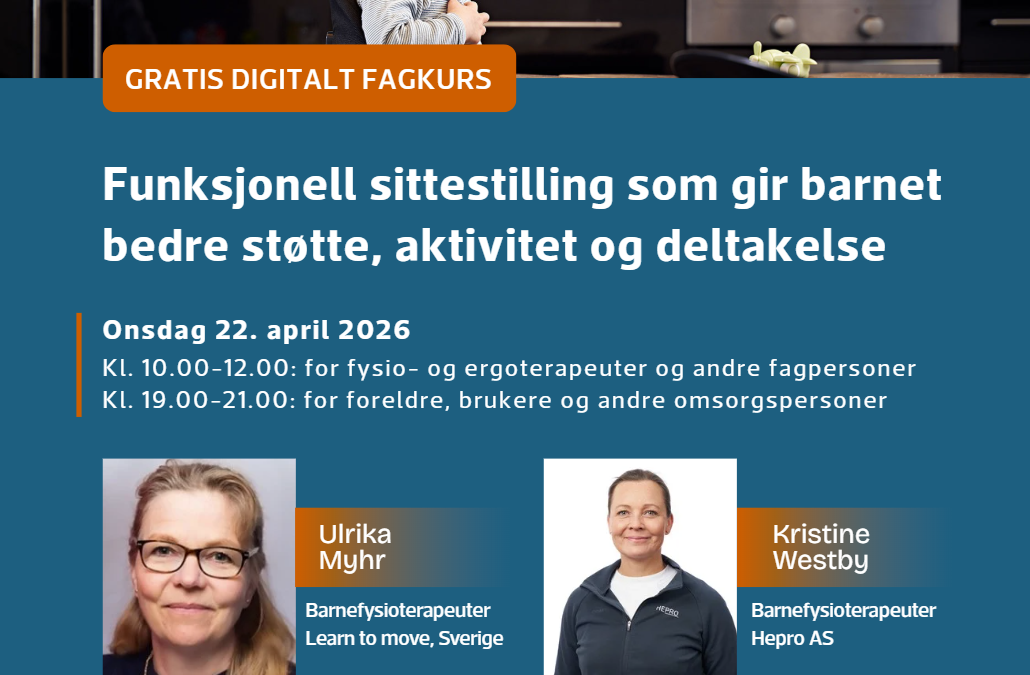
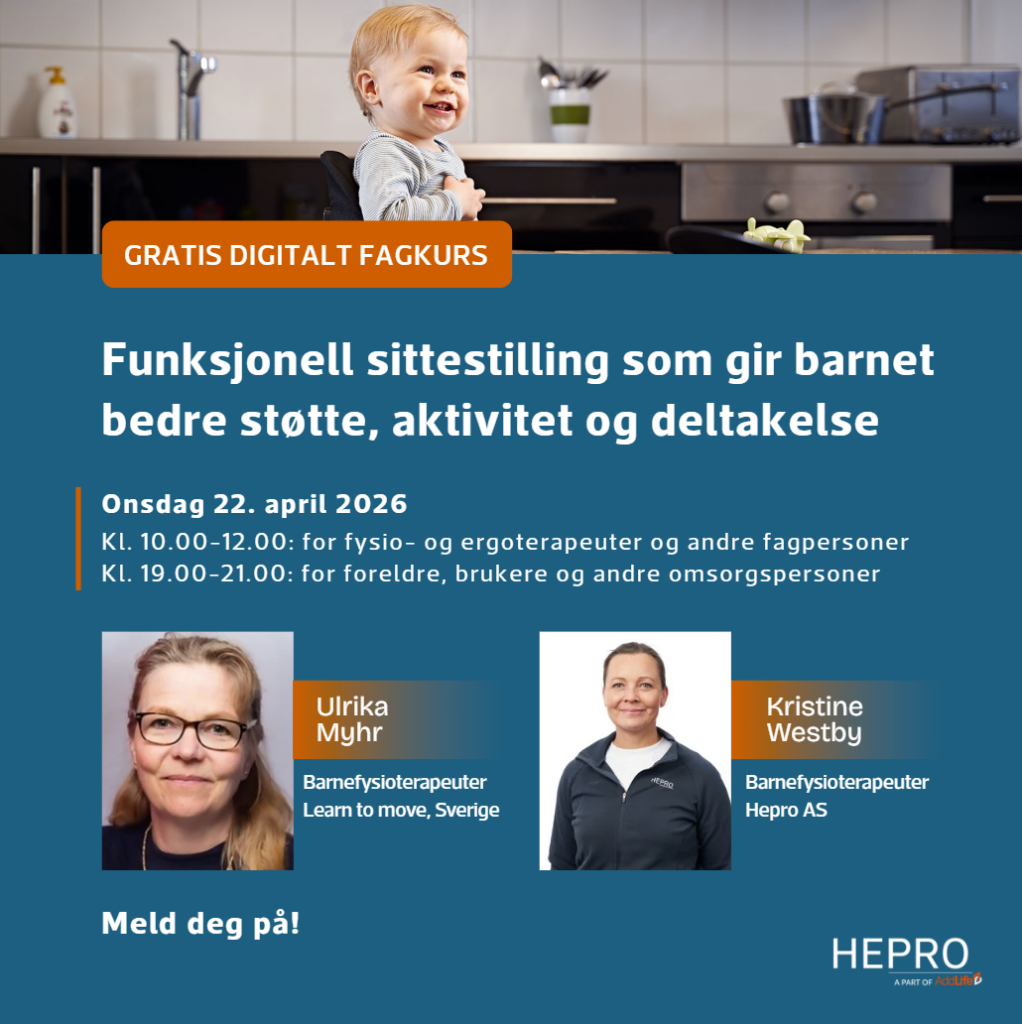
We are delighted to have started a collaboration with the Norwegian assistive technology company Hepro. We share many of the same ideas about the need for functional, active assistive devices that aim towards normal function for children with disabilities. On 22 April, Ulrika Myhr and Kristine Westby will give a lecture on functional sitting and positioning. The daytime session, 10:00–12:00, is aimed at professionals, while the same lecture will be offered to parents in the evening, 19:00–21:00. Registration links in Norwegian are coming soon!
Date and time: Wednesday, 22 April 2026
10.00–12.00 am for physio- and occupational therapists or other professionals
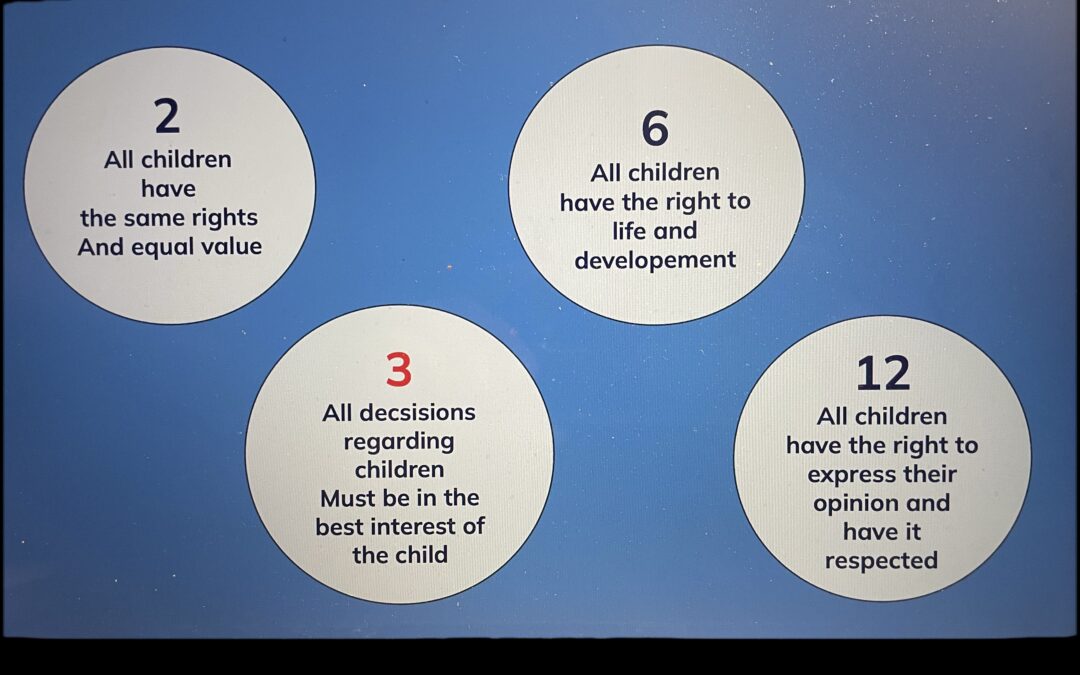
The Convention on the Rights of the Child is law in Sweden, and the image shows its core pillars, such as the right to development and that the best interests of the child must be considered in all decisions concerning children. This open letter is addressed to Region Halland, which denied the assistive device Learn to Walk on the grounds that it is a training aid costing more than SEK 15,000. Despite this, the child was allowed to borrow the device and now walks independently. Region Halland is not alone — several regions have the same policy, and all are violating the law. The absurdity lies in rejecting a “win-win situation.” When a child learns to walk, it creates fantastic opportunities for participation in play and activities, while also generating major economic savings for the region through reduced costs for assistive devices, personal assistance, and healthcare. Much more could be said about this, but first a call to everyone who works with and for children with disabilities to stand up for children’s rights — heads of habilitation services, assistive technology managers, regional politicians — work together to highlight this: do it again, and do it right. You can read the open letter here
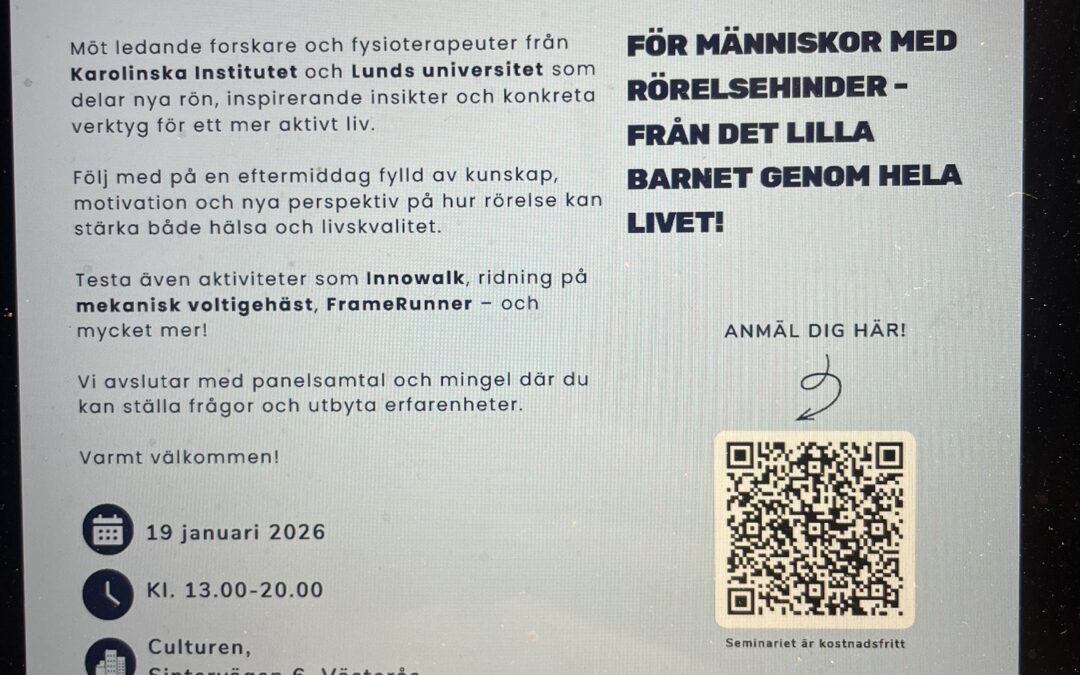
The RBU association in Västerås is a great example of what can be achieved, and it was both inspiring and joyful to take part in this event focusing on “A Life in Motion” for people with disabilities. Learn to Walk was presented, and several users and their families had the opportunity to try it out and experience how it helps teach and develop balance.
The lectures on physical activity took an innovative and forward-thinking approach, bringing together the perspectives of researchers, innovators, people with disabilities, and parents. Learn to Move’s lecture focused on new ways of thinking and treatment approaches that offer hope for improved function. The exhibition showcased a range of products as well as fun and engaging activities offered by parasport organisations — and we need many more opportunities like these! For those who are interested, a recorded part of the lecture will be available to watch at a later date. A big cheer for RBU for organising such an inspiring and much-needed day! We need more development initiatives and open discussions about what we are doing today — and how we can improve.
5 YouTube videos about the treatment of cerebral palsy.
Today, the first YouTube video about the treatment of cerebral palsy was presented. The treatment is based on a detailed understanding of how a child develops – the body is very curved and round when newborn, and the child has floated in weightlessness. What a shock to be exposed to gravity! But it’s so cleverly arranged – and in the first video, we talk about something fundamental, namely weightbearing! It makes me feel my body part and establishes a connection between the brain and the body part, making me aware of my body! Here a link to youtube: https://www.youtube.com/watch?v=imh2AtM-KFQ
Over the past six months, I have encountered parents who, during visits to the pediatric neurologist, have been, to say the least, horrified. Their children, under 1 year old, have received diagnoses, but what’s worse, the parents have been given the message that ‘there’s nothing you can do or train, no, the child shouldn’t have to do that, it won’t help anyway’. Perhaps the doctor has a different understanding of what was said, but unfortunately, I’ve heard this for several years and choose to believe the parents. A mother said, ‘What do they want? Do they want us to throw her to the wolves?’ – mostly horrified by the way they’ve been treated. One family was so devastated that they went to their home country to seek support. This raises many questions about attitude and prognosis that no one has asked for, and above all – how can one not expect any development? And how can one say that training shouldn’t be done? If one has that attitude, then perhaps alarm bells should ring – maybe what we’re doing are the wrong interventions since they’re not helping? The need for knowledge regarding training and treatment of children – not just compensatory measures, but teaching children to control their bodies – that science needs to be supported and developed. When pediatric neurologists convey contradictory messages, it can lead to confusion and frustration among parents. It may undermine their confidence in the medical advice they receive and hinder their ability to make informed decisions about their child’s care. This inconsistency can also impact the child’s treatment and progress, as conflicting guidance may result in hesitation or reluctance to pursue certain interventions. Ultimately, clear and consistent communication between medical professionals and families is essential for effective collaboration and the best outcomes for the child.
Vi använder cookies för att se till att vi ger dig den bästa upplevelsen på vår webbplats. Om du fortsätter att använda denna webbplats kommer vi att anta att du godkänner detta.