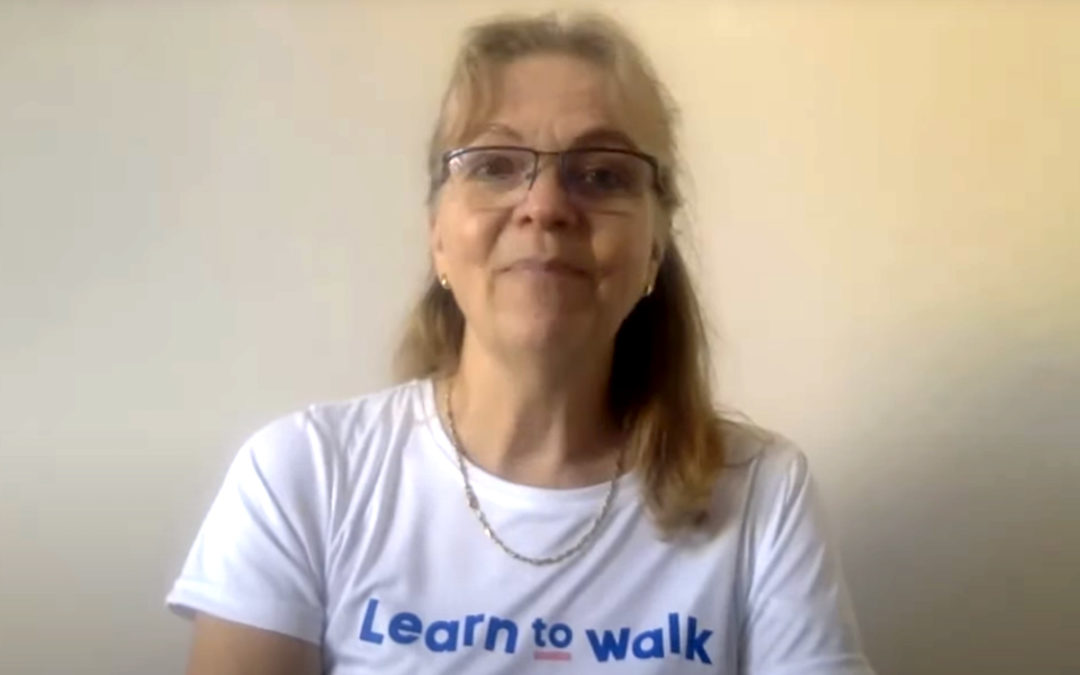
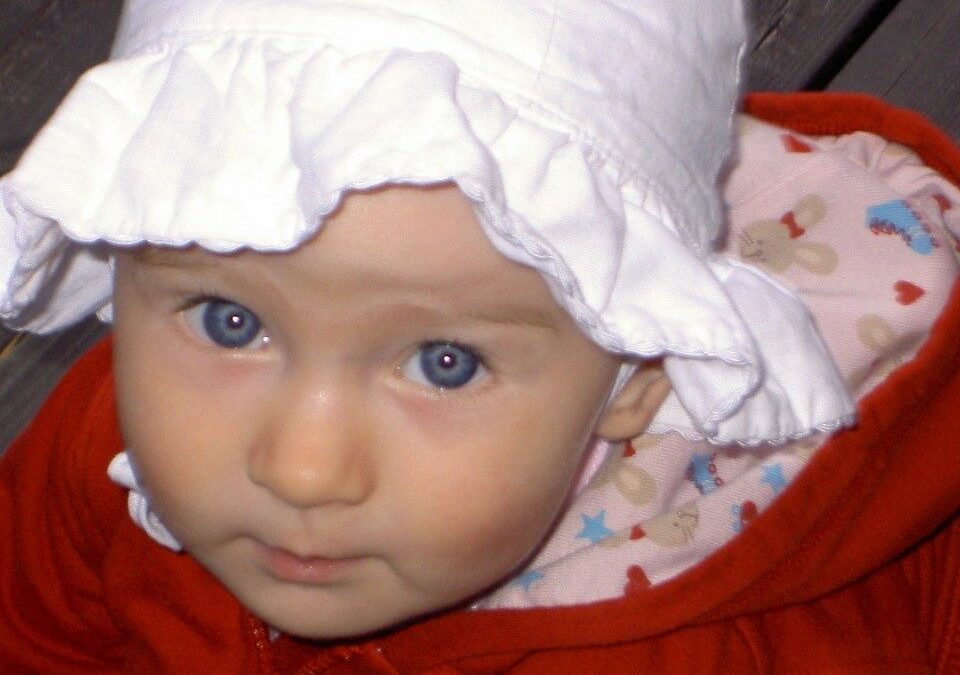
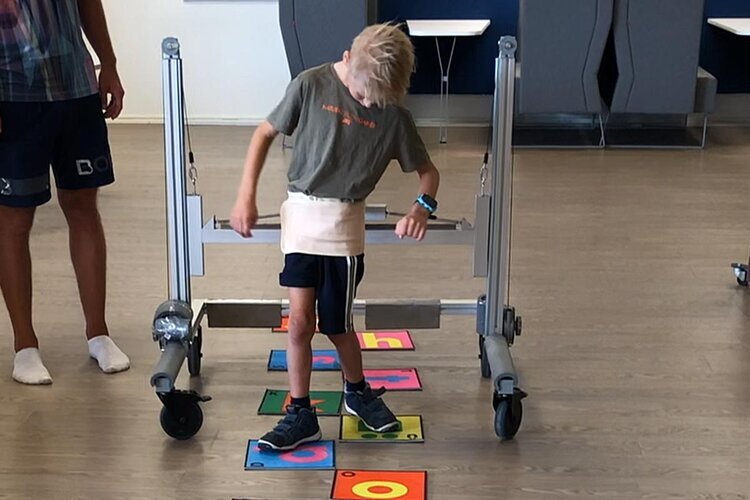
Finally – it´s ready! The movie about Oskar 5 years, and what happend during the one year when he practiced and learned independent walking. We want the film to contribute to rethinking and develop new treatments where we clearly have expectations for development and base treatment on the development process that takes place during normal development.
During the fall, there is intensive work on Learn To Walk – CE marking is in progress, a new producer for the hip belt is also underway, recruiting new users, and the development of Web Support are on the to-do list. It’s incredibly exciting to develop this product that not only teaches balance but also provides the opportunity to learn weight-bearing, increased sensation in the feet, movements, strength, and many other components involved in independent walking. More about Learn To Walk is coming soon – including a video about the process when a 5-year-old boy learned to walk with Learn To Walk – stay tuned for this!
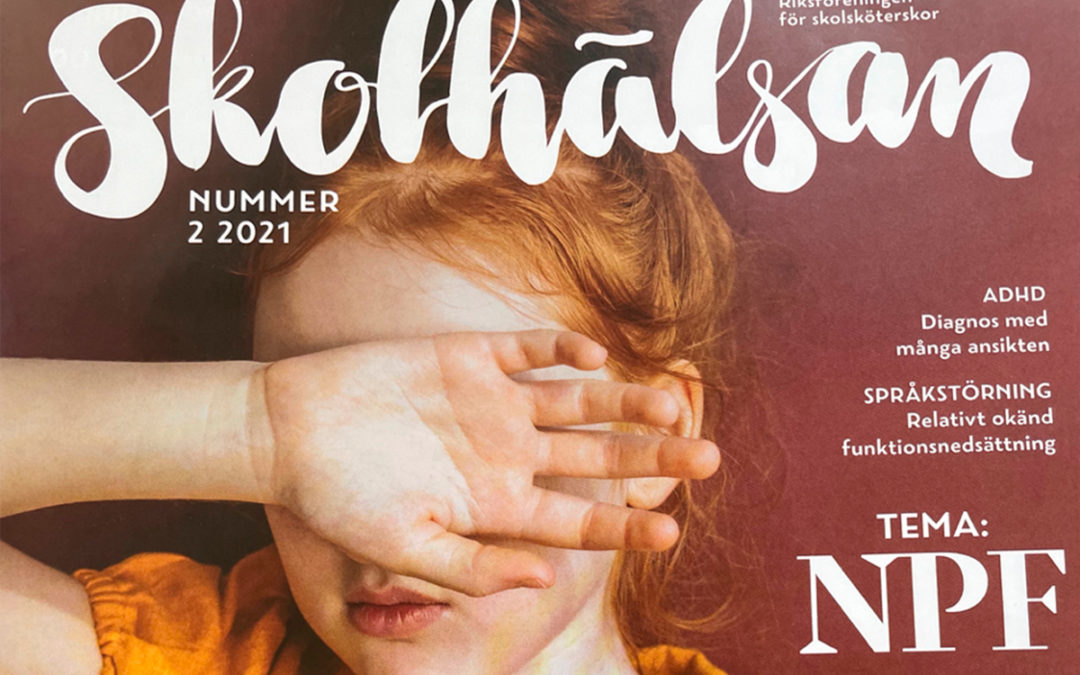
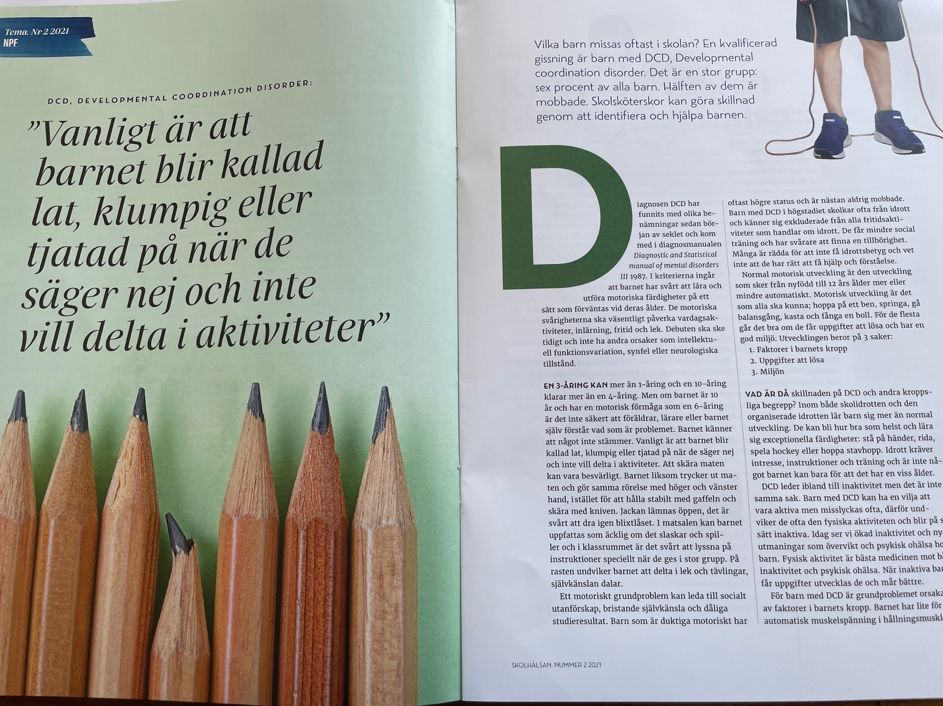
The school nurses’ magazine “Skolhälsan” has a theme on NPF – Neuropsychiatric Diagnoses in issue 2/2021. Interesting with articles on tics, language disorders, etc., and where Learn to Move contributes with an article on DCD – perhaps the most overlooked issue despite being common? The need for knowledge about DCD, as mentioned earlier, is SIGNIFICANT. It is important to distinguish between DCD and inactivity and to understand how DCD affects the entire life – not least participation and self-esteem. Thanks to the National Association of School Nurses for addressing the topic! If you want to read the article, klick here
Article about DCD in the magazine “Skolhälsan” issue 2, 2021.
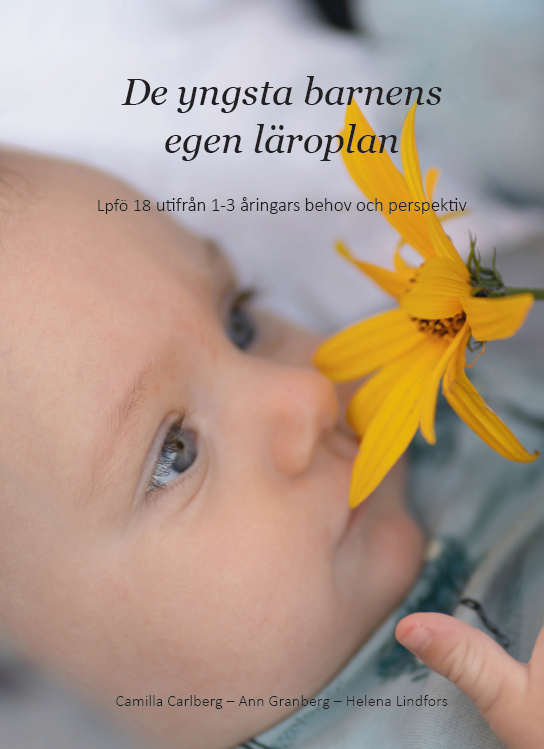
We hope the pandemic is over, and with joy, Learn to Move continues to participate as educators in the Early Childhood Educator Training this fall, focusing on the first three foundational years of a child’s life. The course is held this year in Lund, where Helena Lindfors is responsible for the training. She has written the book “De yngsta barnens läroplan” together with Ann Granberg and Camilla Carlberg. The authors highlight the needs and perspectives of the youngest children and call for a curriculum for the very youngest, as the brain develops significantly and is sensitive during this time. They describe, among other things, how attachment to educators is fundamental for security and trust, both in oneself and in the children. It will be exciting and enjoyable to work together with the education coordinator Helena Lindfors.
In 2020, Learn to Move and collaborators constructed a second prototype to teach independent balance during walking. Filip was the first person to practice with the balance trainer. His improvements were significant and exceeded predictions from scientific tools like the Gross Motor Classification System (GMFCS) – he learned to walk independently despite forecasts stating it was impossible. This gives hope for future improvements in the treatment of children with cerebral palsy. Currently, more research is underway with the hope of making the product available to everyone interested by the end of 2021.
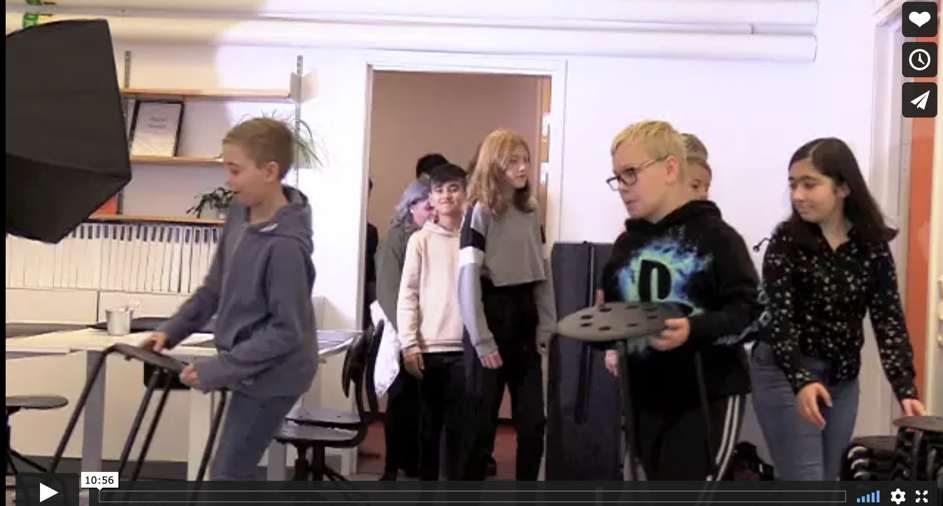
In Västervik municipality, children have been involved in giving their opinions on classrooms where they can move a bit, choose positions, and take personal responsibility. In connection with that, Learn to Move was contacted and interviewed about “body and school” – addressing the new challenges we face and how to meet them. Especially exciting that Demokrativerkstaden is participating and allows the children to have their say! Click here to listen to the children and the interview.
Vi använder cookies för att se till att vi ger dig den bästa upplevelsen på vår webbplats. Om du fortsätter att använda denna webbplats kommer vi att anta att du godkänner detta.